Trust is now a hiring problem, not just a marketing one
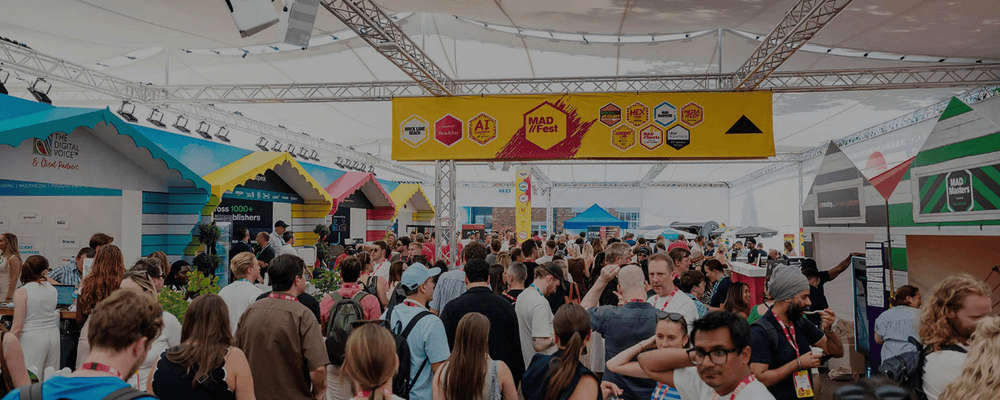
A quieter thread ran under the AI-and-creativity headlines at MAD//Fest this year. Neil Barrie, co-founder of 21st Century Brand, put it bluntly on one of the panels when he talked about how brands are now marketing to algorithms as much as to people, with AI increasingly acting as gatekeeper to what someone even gets to see. Louis Theroux's session covered similar ground from the media side, on empathy, nuance and what gets lost when content is polarised, extreme, or written for an algorithm rather than a person.
In a world where content is cheap, everywhere, and increasingly AI-mediated, who do people actually believe? Most of that conversation was framed around customers. We think it applies just as directly to candidates.
Candidates do exactly what customers do
Before someone applies for a role, they research your business the same way they'd research a product before buying it: Glassdoor, Google, LinkedIn, or whatever a chatbot summarises back when they ask 'what's it like to work at [company]?' That research is increasingly AI-summarised, AI-ranked, or AI-written to begin with. If the industry is having a genuine, public wobble about whether people can trust what a brand says about itself, that wobble doesn't stop at marketing's door. It walks straight into your careers page.
An efficient hiring process and a trustworthy one aren't the same thing
A lot of what's been automated in recruitment over the last few years is exactly the kind of thing that conversation was worried about: automated screening, generic outreach, chatbot-first candidate journeys, job ads written to hit a keyword count rather than describe a real role. Every one of those saves time. None of them builds trust on their own. If a candidate's first three touchpoints with your business are all automated, you've told them something about how they'll be treated once they're inside, whether that's true or not.
This is where the human touch argument gets uncomfortable
It's easy to nod along to 'people trust people' when the subject is brand campaigns. It's a different thing to look at your own hiring funnel and ask where the actual humans are within it. Efficiency isn't the enemy here; nobody's arguing you should hand-write every rejection email again. But if every stage of your process can be run by a machine and none of it requires a person to show up, don't be surprised when candidates start treating your business the way they've started treating a lot of brand marketing: with a raised eyebrow.
Three things worth checking in your own process
· Where's the first genuine human moment in your candidate journey, and how early does it happen? If a strong candidate can get three steps deep without speaking to a person, that's a trust gap, not just a process gap.
· Is your employer content actually true, or just optimised? AI makes it easy to generate careers-page copy and 'culture' content that reads well and means nothing. Candidates can tell the difference just as fast as customers can.
· Would you be comfortable if a candidate saw exactly how they were being assessed? If the honest answer is a screening algorithm and a keyword match, that's worth knowing before they find out for themselves.
None of this is an argument against using AI in hiring; we use it too, for the parts of the job that genuinely benefit from speed. It's an argument for knowing exactly which parts of your process still need a person in the room, and making sure that person is there.
The businesses that get trust right in their marketing and wrong in their hiring are just moving the same problem one step downstream. The human touch has to show up whenever someone is deciding whether to believe you, and for a growing number of people, that decision starts with whether they'd want to work for you.
SHARE