Is your in-house SEO job spec a year out of date?
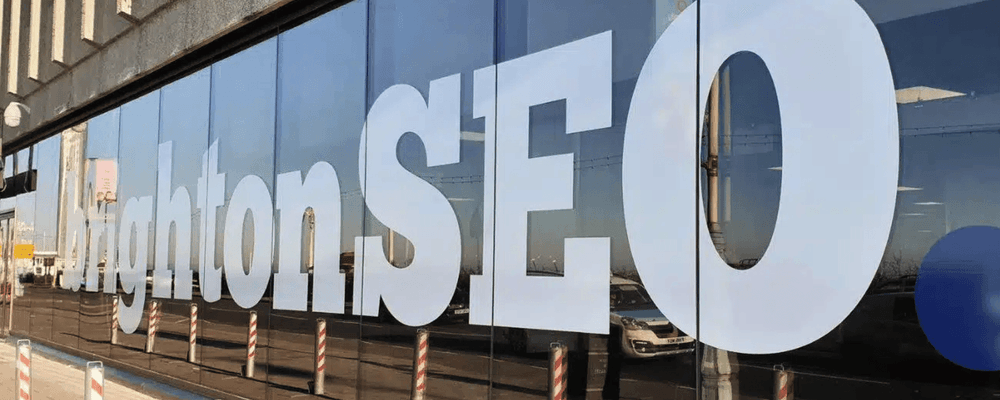
I went to BrightonSEO this year half expecting to hear that SEO was finished. My LinkedIn feed has been telling me that for months.
However, what became apparent was that GEO, AEO and AI visibility are mostly good SEO under a new name. And they only work when solid technical SEO, content and digital PR sit underneath them.
If you run marketing for a brand, that’s reassuring. If you’re hiring an in-house SEO, it’s where the headache starts.
I work in client-side recruitment, finding SEO and digital marketers for in-house teams at brands, so I know how tricky that hire already was. AI search has raised the bar.
What AI search means for in-house SEO teams
Your brand now needs to be cited and recommended by ChatGPT, Google's AI Overviews and AI Mode, Claude and Perplexity, as well as ranking on Google. Andrew Chadwick shared research showing up to 75% of AI brand recommendations change when the person asking changes.
Think about what that means for an in-house team. A customer asks a question, an AI tool pulls an answer together, and your brand is in it... or it isn't. They may never visit your website at all.
The job titles are already changing
You can see it in job ads. Titles like AI Visibility & SEO Manager and AEO & GEO Lead are starting to appear. A North American study of 690 SEO job ads found 62% now ask for AI search skills, up from 34% a year earlier.
The rare candidate has both.
Brands want someone who understands how AI tools choose which sources to cite. But every speaker I heard was clear that this sits on top of the fundamentals. If you’re thinking about client-side SEO recruitment, you need someone who can:
- Fix the technical foundations of a website
- Write or commission content that answers the questions customers actually ask
- Earn coverage and mentions on other sites, because that's where AI tools look
- Track how AI tools talk about your brand, and explain what to do about it
Plenty of good SEOs have two or three of those. Very few have all four. That's why these roles can take longer to fill.
The junior gap
One thing that also came up was how there aren't enough junior people with AEO experience, and senior SEOs are stepping in to rescue accounts.
I find that worrying. Juniors used to learn on the repetitive groundwork that AI tools now handle. Take that away and the route into SEO gets narrower, and more of the pressure lands on your senior hires.
Five questions to ask before you write the spec
1) Does it mention AI search?
If your spec only talks about rankings and traffic, the strongest candidates will assume the role is behind the times.
2) Are you asking for everything?
Decide which skills matter most for your business right now. Then work out which you can build in the role, and which an agency or freelancer can cover.
3) How will you measure success?
Traffic and rankings only tell part of the story now. Agree on what good looks like before you interview, whether that's AI visibility, enquiries or revenue.
4) Who trains your next junior?
If you're hiring mid or senior level, ask candidates how they'd bring junior people up to speed. Their answer tells you a lot.
5) Does the salary reflect the mix?
Candidates who combine technical, content, PR and AI search skills know they're in short supply. Benchmark before you go to market.
SEO is still very much alive. The basics still win. What's changed is the person you need to deliver them, and how hard they are to find.
Let's talk
If you're building an in-house marketing team and need SEO or AEO talent, I'd love to help. And if you're an SEO thinking about moving client-side, get in touch. I'm always happy to talk through what brands are looking for.
Holly Wilkinson
Performance & Digital Marketing, DNA Recruit
Client-side Recruitment
SHARE
Other articles that may be of interest
Related news