5 things MAD//Fest 2026 confirmed about where marketing is heading
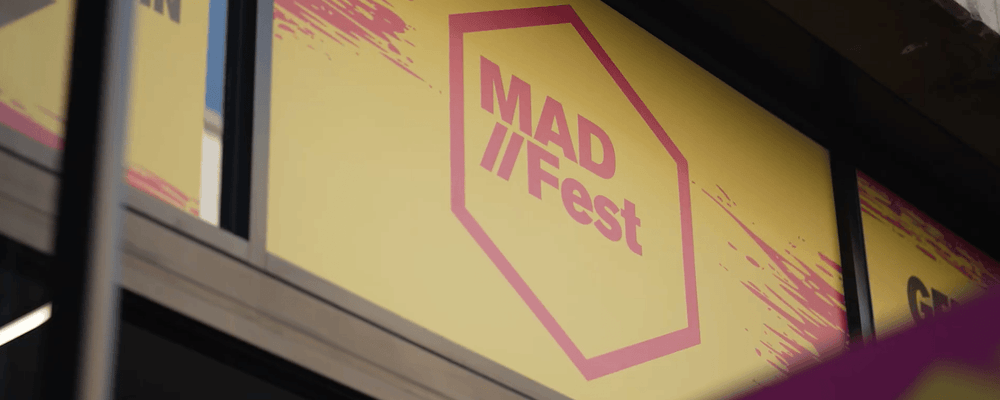
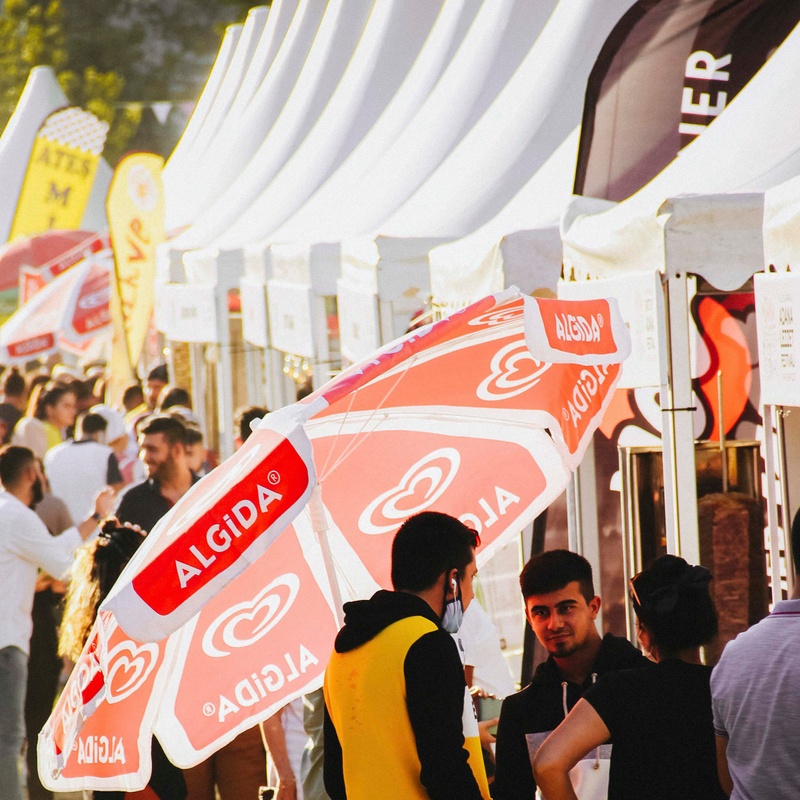
Three days of packed stages and a heatwave that turned the Old Truman Brewery courtyard into something closer to a beer garden than a conference venue. As Official Talent Partner, we spent plenty of time on our stand, but we made sure to get out and catch the talks too.
Here's what stood out, and what it means if you're the one hiring the people who'll have to act on it.
1. Visibility isn't the same as desire
Being seen isn't enough anymore. AI has made it easier than ever for brands to get in front of people, but Havas' Mark Sinnock and Mindscope's Lea Karam made the case that attention on its own doesn't move anyone down the funnel. Winning now takes deliberate effort to build attraction and attachment, not just reach.
The same is true of hiring. A job ad with thousands of views tells you nothing about whether anyone wants to work for you. If your careers page, your interview process and your reputation aren't building real attraction, all that visibility just means more people scrolling past you faster.
2. Brands are being built with communities, not just for them
The strongest brands at MAD//Fest weren't broadcasting; they were listening. e.l.f Beauty's Yana Yarmova talked about keeping zero distance from the community, shaping product development and campaigns around what people are actually saying rather than what the brand assumes they want.
It's the same change agencies need to make with their own people. Culture and EVP built in a boardroom and handed down just doesn’t work. Built with the team who live it and it sticks. That's the difference between a benefits page nobody believes, and a reputation candidates seek out.
3. Connection is now a competitive advantage
In a world of constant noise and distraction, the ability to truly connect with another person has become a competitive advantage – not just personally but professionally. That came across loud and clear in Paul C Brunson’s session. Presence and active listening are essential professional skills now.
For agencies, that's the entire hiring process in one line. Candidates can tell within minutes whether an interview is a genuine conversation or a script being read at them, and they remember which one they got. The businesses winning at retention genuinely listen day to day, not just in the interview.
4. Curiosity beats data when it matters most
Louis Theroux headlined this year, and it was the session most people were still talking about afterwards. What I take from him is his empathy, nuance, and a willingness to sit with a question rather than assume the answer.
Data tells you what happened. It doesn't tell you why, and the why is usually where the good decisions live. That's as true of a hiring decision as it is of a marketing one. A CV or an ATS score can tell you what someone has done. It won't tell you whether they're the right call for your team, and that still takes a person willing to ask and listen.
5. Get the fundamentals right before the AI gets glossy
Amid all the AI talk, Sainsbury's Marketing Director Radha Davies talked about why getting the plumbing right – like your data and analytics – is important, before you launch something glossy like personalisation.
The parallel for hiring is exact. Bolting an AI sourcing tool or a flashy EVP campaign onto a messy process, unclear job specs, inconsistent candidate data, and no real read on why people leave, just gets you to a bad decision faster.
Fix the fundamentals first. The tech is only as good as what you build it on.
Growth isn't coming from shouting louder; it's coming from brands that connect more meaningfully by paying attention and listening harder, and, less thrillingly, from getting the boring groundwork right before chasing the shiny stuff.
That's exactly why this year's theme, The Human Touch, felt less like a slogan and more like a brief.
For a talent business, it's one we're already living by.
SHARE